
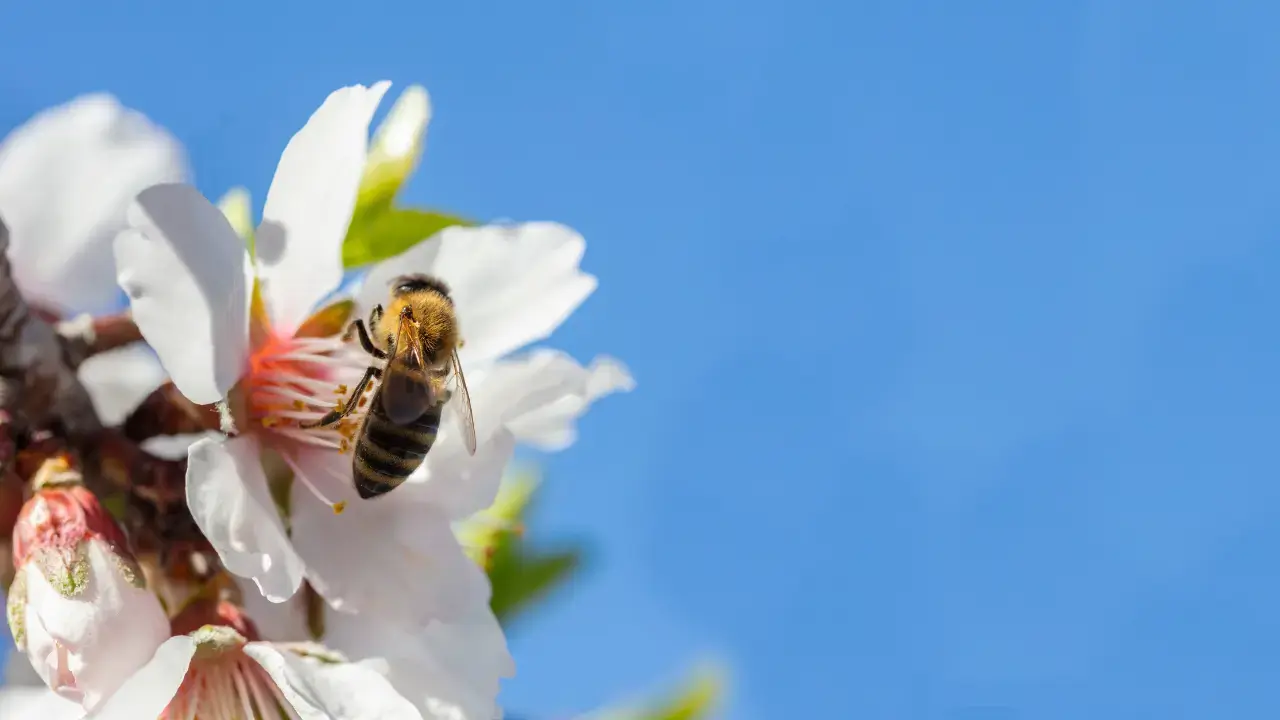
Pollinators such as bees, butterflies, and hoverflies are vital to the health of British gardens, particularly for those cultivating fruit trees. Their role in transferring pollen ensures the production of fruits like apples, pears, and cherries, which are staples in many UK households. Enhancing pollinator visits not only supports garden productivity but also contributes to biodiversity and ecosystem health. A nursery specialist from https://www.chrisbowers.co.uk/, a leading UK supplier, advises that selecting appropriate varieties is crucial for maximising pollination success. Self-fertile fruit trees can simplify the process for gardeners with limited space, as they do not require a second tree for cross-pollination, ensuring reliable fruit set even in smaller gardens. This article explores four practical strategies to attract more pollinators to your garden, focusing on creating an environment where these essential creatures thrive.
Planting Pollinator-Friendly Flora
A diverse range of flowering plants is one of the most effective ways to draw pollinators to your garden. Many fruit trees, such as apples and pears, rely on insects to transfer pollen between flowers, and providing additional nectar-rich plants can significantly increase their presence. In spring, early-blooming plants like lungwort and primroses offer food when pollinators first emerge. These low-growing flowers are ideal for garden borders or containers, making them suitable for both large and small spaces. During summer, lavender and marjoram provide abundant nectar, attracting bees and butterflies with their vibrant blooms. For autumn, asters and sedum ensure a late-season food source, helping pollinators build reserves for winter.
Incorporating native wildflowers, such as foxgloves and cornflowers, enhances the appeal of your garden to local pollinator populations. These plants have evolved alongside British insects, making them particularly effective. Avoid double-flowered varieties, as their complex petals can make nectar and pollen inaccessible to bees. Instead, opt for single-bloom flowers, which are easier for pollinators to navigate. Positioning these plants near fruit trees for sale in your garden ensures that pollinators are already active in the area when blossoms appear, increasing the likelihood of successful fruit set.
The choice of planting location matters as well. Pollinators prefer sunny, sheltered spots, as these conditions allow them to forage comfortably. South-facing borders or areas protected from strong winds are ideal. By creating a continuous bloom cycle from early spring to late autumn, you provide a consistent food source, encouraging pollinators to return regularly. This approach not only supports your fruit trees but also transforms your garden into a haven for wildlife.
Creating Habitats for Pollinators
Beyond planting flowers, providing suitable habitats encourages pollinators to stay in your garden. Bees, particularly solitary species like mason bees, need nesting sites to thrive. Installing bee hotels made of bamboo or drilled wood blocks offers a safe place for these insects to lay eggs. These structures should be placed in sunny, dry locations, ideally facing south or southeast, to mimic the natural conditions solitary bees seek. Bumblebees, on the other hand, may nest in undisturbed areas like compost heaps or under hedges, so leaving some parts of your garden slightly wild can be beneficial.
Butterflies and moths require different habitats. Leaving patches of long grass or nettles provides caterpillar host plants, essential for their life cycle. A small water feature, such as a shallow dish filled with pebbles and water, serves as a drinking station for bees and butterflies, especially during dry spells. Hoverflies, which are excellent pollinators for fruit trees, are attracted to areas with aphid populations, as their larvae feed on these pests. Encouraging a balance of natural predators and prey in your garden supports these beneficial insects without the need for chemical interventions.
For gardeners purchasing fruit trees for sale, integrating these habitat features near their trees can enhance pollination rates. For example, placing a bee hotel near a cherry tree like the self-fertile Sunburst variety ensures that pollinators are readily available when blossoms open in April. Maintaining a chemical-free garden is crucial, as pesticides can harm pollinators and disrupt their foraging behaviour. By fostering natural habitats, you create a sustainable environment that supports both pollinators and your fruit trees.
Optimising Fruit Tree Selection and Placement
Choosing the right fruit trees and positioning them thoughtfully can significantly boost pollinator visits. Many fruit trees, including most apples and pears, are self-incompatible, meaning they require pollen from a different cultivar to produce fruit. Planting compatible varieties with overlapping bloom times ensures effective cross-pollination. For instance, an apple tree like Cox’s Orange Pippin pairs well with pollinators such as Egremont Russet or Lord Lambourne, as their flowering periods align. Specialist nurseries often provide pollination group information, making it easier to select compatible trees.
Self-fertile varieties are an excellent option for smaller gardens or when only one tree can be planted. Cherries like Sunburst and pears like Concorde do not require a second tree, making them ideal for urban gardens or patios. These trees are often available as dwarf or columnar forms, which are easier to manage and fit into limited spaces. When browsing fruit trees for sale, look for rootstocks like M27 for apples or Quince C for pears, which produce compact trees suited to modern gardens. These smaller trees also allow pollinators to access blossoms more easily, as the flowers are closer to the ground.
Placement is equally important. Fruit trees thrive in sunny, sheltered locations, and pollinators are more active in these conditions. Planting trees in a south- or west-facing position maximises sunlight exposure, encouraging both blossom production and pollinator activity. Avoid planting trees too close together, as this can create competition for light and reduce air circulation, potentially deterring pollinators. For columnar or supercolumn trees, a spacing of 2 to 2.5 feet is sufficient, allowing pollinators to move freely between trees. By carefully selecting and positioning your fruit trees, you create an environment that maximises pollination efficiency.
Timing and Maintenance for Peak Pollination
Proper timing and maintenance of your garden and fruit trees can further enhance pollinator visits. Fruit trees typically flower in spring, with pears blooming as early as April, followed by apples and cherries. Ensuring that your trees are healthy and well-maintained before this period is critical. Pruning is a key task, but it must be done at the right time to avoid disrupting pollination. For apples and pears, winter pruning encourages vigorous growth, while summer pruning maintains shape and promotes fruiting spurs. Cherries, however, should be pruned in spring or early summer to avoid silver leaf disease, which can weaken trees and reduce blossom quality.
Watering and feeding also play a role. Fruit trees require consistent moisture, especially during dry springs when pollinators are active. A well-watered tree produces healthier blossoms with more nectar, making it more attractive to bees. Applying a balanced fertiliser in early spring supports tree health, but avoid over-feeding, as excessive nitrogen can lead to leafy growth at the expense of flowers. Mulching around the base of trees retains moisture and suppresses weeds, reducing competition for resources and creating a cleaner environment for pollinators.
For gardeners seeking fruit trees for sale, bare-root trees planted in autumn or winter establish well and are ready to bloom by spring, provided they are cared for properly. Regular inspection for pests, such as aphids or mites, is essential, as infestations can deter pollinators or damage blossoms. If pests are present, use organic methods like introducing ladybirds or washing plants with soapy water rather than chemical sprays. By aligning maintenance tasks with the needs of both trees and pollinators, you ensure a robust flowering season that attracts ample visitors.
Supporting Pollinator Populations Year-Round
While spring is the peak season for fruit tree pollination, supporting pollinators throughout the year strengthens their populations and ensures they return to your garden. In winter, plants like snowdrops and winter aconite provide early nectar for bees emerging on mild days. These small flowers can be planted in lawns or near fruit trees to create a year-round pollinator-friendly environment. Ivy, often overlooked, is a valuable late-season nectar source for hoverflies and bees, particularly in autumn when other flowers are scarce.
Community efforts can amplify your impact. Coordinating with neighbours to plant pollinator-friendly gardens creates a larger foraging area, benefiting insects across a wider region. Joining local initiatives, such as seed swaps or pollinator conservation groups, can provide access to native plants and expert advice. For those purchasing fruit trees for sale, choosing varieties that bloom at different times can extend the pollination season, supporting a diverse range of insects. For example, planting early-flowering plums alongside later-blooming apples ensures a longer window for pollinator activity.
Educating yourself about local pollinator species can also guide your efforts. In the UK, bumblebees, solitary bees, and hoverflies are among the most common pollinators for fruit trees. Understanding their preferences—such as bumblebees’ attraction to deep flowers like foxgloves or solitary bees’ need for nesting sites—allows you to tailor your garden to their needs. By fostering a year-round environment that supports these species, you create a resilient ecosystem that benefits both your fruit trees and the wider environment.
Conclusion
Attracting pollinators to your garden is a rewarding endeavour that enhances fruit tree productivity and supports biodiversity. By planting nectar-rich flora, creating suitable habitats, selecting and positioning fruit trees thoughtfully, and maintaining them with pollinators in mind, you can significantly boost visits from bees, butterflies, and hoverflies. These strategies are accessible to gardeners of all levels, whether you’re cultivating a small patio or a sprawling orchard. The availability of high-quality fruit trees for sale from specialist nurseries makes it easier than ever to start or expand your garden. By implementing these four approaches, you not only ensure a bountiful harvest but also contribute to the health of the UK’s vital pollinator populations.
