
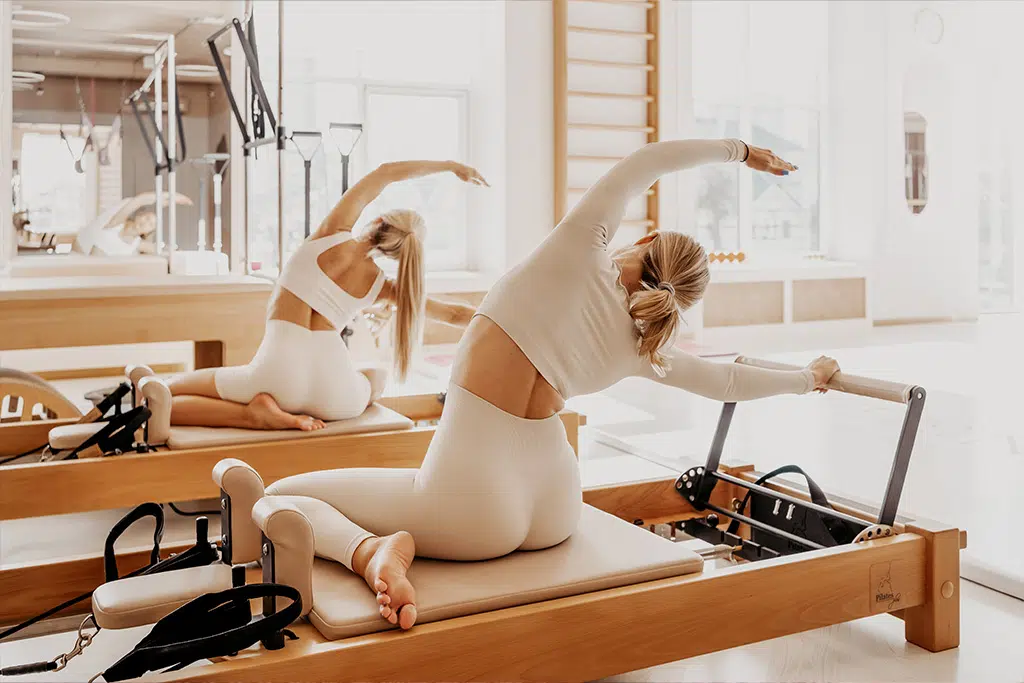
Many adults know they need better posture, but they do not always know how to build it. Sitting straighter for a few minutes is not enough. The body needs core stability, spinal awareness, hip control, shoulder balance, and better movement habits. This is why reformer pilates Singapore is becoming popular among people who want posture-focused training that goes beyond simple stretching.
Reformer Pilates uses controlled movement and adjustable spring resistance to train the body with precision. Instead of pushing the body through random exercises, it teaches students how to stabilize, align, and move with better control.
Why Posture Needs Strength
Posture is not only about flexibility. A person may stretch the chest or shoulders, but if the core and upper back are weak, the same rounded posture may return.
Good posture needs support from the inside. The core helps stabilize the spine. The hips support the pelvis. The upper back supports the shoulders. The breath helps reduce unnecessary tension.
Reformer Pilates can train all these areas together.
Core Stability Is More Than Abs
Many people think core training means doing crunches. But core stability is about controlling the trunk while the limbs move. This is exactly what Reformer Pilates trains.
When the legs push the carriage, the core must stabilize the pelvis. When the arms pull straps, the trunk must stay organized. When the body changes position, the spine must remain supported.
This type of core work is practical because it relates to daily movement, not only appearance.
How the Reformer Improves Alignment Awareness
The Reformer machine gives feedback. If the body pushes unevenly, the carriage may move unevenly. If the pelvis shifts, the teacher can see it. If the shoulders grip, the movement becomes tense.
This feedback helps students understand their habits. They may notice one leg works harder, one hip is tighter, or the lower back takes too much pressure.
Awareness is the first step toward better alignment.
Better Posture for Desk Workers
Desk workers often develop rounded shoulders, tight hips, weak core support, and stiff upper backs. Reformer Pilates can help counter these patterns.
Exercises may focus on spinal control, hip mobility, shoulder positioning, and core strength. The goal is not only to feel better during class, but to carry better awareness into daily life.
A student may begin to notice when they slump at work, hold the breath, or tense the shoulders during screen time.
Why Controlled Resistance Helps
The springs on the Reformer create resistance that can be adjusted. This allows students to build strength gradually.
For posture work, this is useful because the body needs both challenge and control. Too little challenge may not create change. Too much resistance may cause compensation.
A teacher can adjust the springs so the student works at the right level.
Breathing and Posture Are Connected
Poor posture often restricts breathing. Rounded shoulders and a collapsed chest can make the breath shallow. Stress can make this worse.
Reformer Pilates encourages breath awareness during movement. Students learn to breathe while maintaining alignment. This can reduce unnecessary tension in the neck and shoulders.
Better breathing can also help the body feel less rigid.
Shoulder and Hip Balance
Posture problems are often connected to the shoulders and hips. The shoulders may round forward, while the hips become tight from sitting. The pelvis may tilt, affecting the lower back.
Reformer Pilates can train both upper and lower body control. Strap work can improve shoulder awareness. Footbar exercises can improve leg and hip alignment. Core exercises can connect the two.
This full-body approach makes posture training more effective.
Why Precision Beats Random Exercise
A person can do many exercises and still move poorly. Precision matters. Reformer Pilates teaches students how to move with attention to detail.
The teacher may adjust foot placement, rib position, pelvis control, or shoulder alignment. These small details change the quality of movement.
This is why guided practice matters, especially for people who want posture improvement.
Progress You Can Feel
Posture progress may show up as less back fatigue, easier sitting, better balance, improved core control, and more comfortable movement. It may also show up in how the person carries themselves.
The change is not instant. It develops through repeated practice and better awareness.
Reformer Pilates gives students a structured way to build that awareness over time.
Building a Posture-Supportive Routine
A regular routine may include Reformer Pilates once or twice a week, supported by short daily movement breaks, better desk setup, and mindful sitting habits.
The class builds strength and awareness. Daily habits help maintain it.
For people in Singapore who want better posture, core stability, and guided alignment work, Yoga Edition can support a Reformer Pilates practice that fits real health goals.
FAQs
Why does my teacher keep correcting small details?
Small details matter in Reformer Pilates. A slight change in pelvis, ribs, shoulders, or feet can change which muscles work and how safe the movement feels.
Can Reformer Pilates help if I sit badly all day?
It can help, but daily habits still matter. The class builds awareness and strength, while desk breaks and better sitting habits help maintain progress.
Why do I feel my core working even during leg exercises?
Because the core stabilizes the pelvis and spine while the legs move. That is one reason Reformer Pilates is so useful for functional strength.
