
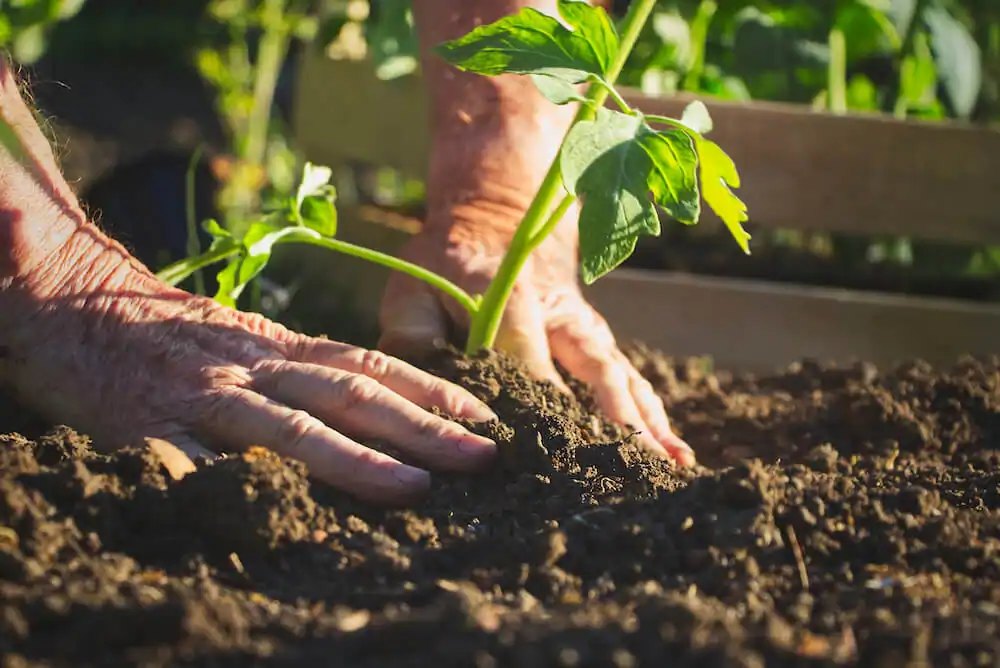
Soil pH is one of the main factors in orchard management, directly influencing the health and productivity of fruit trees, particularly apple trees. The pH level determines nutrient availability, root development, and disease resistance, all of which affect fruit quality and yield. For British orchardists, maintaining optimal soil pH is essential to ensure thriving trees in the varied climates and soil types found across the UK. This article outlines five practical methods to adjust and maintain soil pH for orchards, with a focus on apple trees, to support robust growth and bountiful harvests.
A nursery specialist at CRJ FruitTrees, a leading supplier of quality fruit trees in the UK which can be found here, advises that understanding soil pH is fundamental before planting. “Testing your soil before you buy fruit trees is a step that cannot be skipped. Apple trees, for instance, thrive in slightly acidic to neutral soils, typically between pH 6.0 and 7.0. A simple soil test can guide you in choosing the right amendments to create the ideal growing environment, saving time and ensuring your trees establish well.”
Soil pH and Its Importance
Soil pH measures the acidity or alkalinity of the soil on a scale from 0 to 14, with 7.0 being neutral. Values below 7.0 indicate acidic conditions, while those above are alkaline. Most fruit trees, including apples, prefer a slightly acidic to neutral range of 6.0 to 7.0, as this optimises nutrient availability. In acidic soils (below pH 6.0), nutrients like calcium, magnesium, and phosphorus become less available, potentially leading to deficiencies. In alkaline soils (above pH 7.5), micronutrients such as iron, manganese, and zinc can become locked up, causing issues like chlorosis, where leaves yellow due to insufficient chlorophyll.
In the UK, soil types vary significantly, from the chalky soils of the South Downs to the clay-heavy soils of the Midlands. Rainfall, which is abundant in many regions, can leach basic nutrients like calcium and magnesium, increasing soil acidity over time. This makes regular pH monitoring essential for orchardists. Incorrect pH levels can stunt tree growth, reduce fruit quality, and increase susceptibility to diseases like Phytophthora root rot in acidic conditions or Armillaria in alkaline soils.
Fix 1: Testing Soil pH Accurately
The first step in managing soil pH is accurate testing. Without knowing the current pH, any adjustments risk being ineffective or harmful. Soil testing kits, available at garden centres or online, provide a quick and affordable option for small-scale growers. These kits typically involve mixing soil with a reagent and comparing the colour change to a chart. For more precise results, professional soil testing services, often offered through local agricultural extension offices, analyse pH and nutrient levels comprehensively.
To test soil, collect samples from multiple locations across the orchard, as pH can vary even within a small area. Dig to a depth of 12-15 inches, where most fruit tree roots are active, and mix samples to create a representative composite. Testing should be done annually or biannually, ideally in autumn or early spring, to allow time for amendments to take effect before the growing season. For those planning to buy fruit trees, testing soil in advance ensures the site is suitable, preventing costly mistakes in tree selection or placement.
Fix 2: Raising pH with Lime Applications
For soils that are too acidic (below pH 6.0), applying lime is a common and effective method to raise pH. Agricultural lime, primarily calcium carbonate, neutralises excess hydrogen ions in the soil, making it less acidic and improving the availability of nutrients like phosphorus and calcium. This is particularly important for apple trees, which are prone to disorders like bitter pit—a condition linked to calcium deficiency—in acidic soils.
The amount of lime required depends on the soil type and current pH. Sandy soils need less lime than clay soils due to their lower buffering capacity. As a general guide, applying 3-6 pounds of lime per 100 square feet can raise the pH of sandy soil by one point, while clay soils may require double that amount. Lime should be applied in autumn, allowing it to integrate into the soil over winter. Spread it evenly over the soil surface and incorporate it to a depth of 6-12 inches using a tiller or garden fork. Avoid over-liming, as excessively alkaline soil can cause nutrient lockup, particularly for micronutrients like iron.
For apple orchards, particularly varieties like Honeycrisp, which are sensitive to calcium deficiencies, maintaining a pH closer to 6.5-7.0 can enhance tree vigour and fruit quality. Regular monitoring after lime application is crucial to avoid overshooting the target pH.
Fix 3: Lowering pH with Sulphur Amendments
In cases where soil is too alkaline (above pH 7.5), elemental sulphur or sulphur-containing compounds like ammonium sulphate can lower pH. Sulphur works by encouraging soil bacteria to convert it into sulphuric acid, which reduces alkalinity. This process is slower than liming, often taking several months, so patience is required.
For every point you aim to lower the pH, apply approximately 1-2 pounds of elemental sulphur per 100 square feet for sandy soils, or 2-3 pounds for clay soils. Work the sulphur into the top 6-12 inches of soil, ensuring it is well-distributed. Avoid applying near plant leaves or grass, as it can cause burn. This method is particularly useful in regions with naturally alkaline soils, such as parts of East Anglia, where chalk or limestone is prevalent.
For growers looking to buy fruit trees suited to slightly acidic conditions, such as apples or pears, lowering pH in alkaline soils can create a more hospitable environment. However, over-application can lead to excessive acidity, so incremental adjustments and regular testing are essential.
Fix 4: Incorporating Organic Matter
Adding organic matter, such as compost, well-rotted manure, or peat moss, can help stabilise soil pH and improve overall soil health. Organic matter acts as a buffer, moderating pH fluctuations and enhancing nutrient availability. It also improves soil structure, aiding drainage in clay soils and water retention in sandy ones, both of which are common in the UK.
Spread a 2-4 inch layer of organic matter over the soil and mix it into the top 12 inches before planting. For established orchards, apply organic matter as a mulch around the base of trees, keeping it away from the trunk to prevent rot. Over time, decomposing organic matter releases organic acids, which can slightly lower pH in alkaline soils while improving nutrient cycling in acidic ones.
This method is particularly effective for organic orchardists who prefer natural amendments. For example, incorporating compost before planting apple trees can create a balanced environment that supports root growth and nutrient uptake, ensuring trees thrive from the outset.
Fix 5: Using Cover Crops and Crop Rotation
Cover crops, such as clover or buckwheat, offer a sustainable way to manage soil pH while enhancing soil health. These plants can influence the rhizosphere—the area around the roots—by releasing organic compounds that subtly alter pH. For instance, leguminous cover crops like clover fix nitrogen, which can slightly acidify the soil as bacteria convert nitrogen into plant-available forms.
Plant cover crops between rows or in fallow areas of the orchard during the off-season. Once mature, they can be mown and incorporated into the soil to add organic matter and adjust pH. Crop rotation, where different cover crops are used in successive seasons, can further prevent pH imbalances and reduce soil-borne diseases.
This approach is particularly appealing to British growers aiming for sustainable practices. For those planning to buy fruit trees for a new orchard, establishing cover crops a season in advance can prepare the soil, creating optimal conditions for young trees.
Monitoring and Maintenance for Long-Term Success
Adjusting soil pH is not a one-time task but an ongoing process. Regular soil testing ensures that pH remains within the optimal range of 6.0-7.0 for most fruit trees. Seasonal factors, such as heavy rainfall or the use of certain fertilisers, can shift pH over time. For example, ammonium-based fertilisers, commonly used in orchards, can increase acidity, necessitating periodic lime applications.
Water quality also plays a role. In areas with hard water, which is high in calcium, soil pH may gradually rise, requiring sulphur amendments. Conversely, soft water, common in rainy regions like Wales or Scotland, can exacerbate acidity. Collecting rainwater for irrigation can mitigate these effects.
For established orchards, focus amendments on the drip line—the area beneath the outer edge of the tree canopy—where most active roots are located. Foliar sprays can provide a temporary nutrient boost if pH adjustments are slow to take effect, particularly for micronutrients like iron or zinc in alkaline soils.
Species-Specific pH Preferences
While most fruit trees prefer a pH of 6.0-7.0, some have unique requirements. Apple trees, including popular varieties like Cox’s Orange Pippin and Bramley, thrive in this range, with optimal growth at pH 6.5. Pears also prefer slightly acidic to neutral soils, while stone fruits like cherries and plums can tolerate slightly higher pH levels, up to 7.5. Blueberries, though not true trees, are an exception, requiring acidic soils between 4.0 and 5.5.
Understanding these preferences is crucial when selecting trees for an orchard. For instance, growers looking to buy fruit trees for chalky soils in southern England might opt for plums or cherries, while those in acidic, peaty soils in Scotland might choose apples or pears. Matching tree species to soil conditions reduces the need for extensive pH adjustments.
Impact of pH on Fruit Quality and Yield
Correct soil pH directly influences fruit quality and yield. In the optimal pH range, apple trees produce fruits with balanced sugar-acid ratios, firm textures, and longer storage life. Acidic soils can result in smaller, tarter fruits, while alkaline soils may lead to bland flavours and reduced vitamin content. Research indicates that apple trees grown at pH 6.5 can yield 20-30% more marketable fruit than those in soils below 5.5 or above 7.5.
Proper pH also enhances disease resistance. Neutral to slightly acidic soils support beneficial microbial activity, such as mycorrhizal fungi, which improve nutrient uptake and suppress pathogens. In contrast, extreme pH levels can increase susceptibility to root diseases, reducing tree longevity and productivity.
Common Mistakes to Avoid
Managing soil pH requires care to avoid common pitfalls. Over-liming is a frequent error, particularly in sandy soils, where pH can swing too far into the alkaline range. Similarly, excessive sulphur application can make soil overly acidic, harming root development. Always follow soil test recommendations and apply amendments gradually.
Neglecting drainage is another mistake. Poorly drained soils, common in clay-heavy regions, can exacerbate pH-related issues by trapping water and limiting root access to nutrients. Ensure proper drainage by tilling or adding organic matter before planting.
Finally, failing to retest soil after amendments can lead to imbalances. pH adjustments take time, and regular monitoring ensures that changes are effective without overshooting the target.
Conclusion
Maintaining optimal soil pH is a cornerstone of successful orchard management, particularly for apple trees. By testing soil accurately, applying lime or sulphur as needed, incorporating organic matter, and using cover crops, British orchardists can create ideal growing conditions. These five fixes, combined with ongoing monitoring, ensure that fruit trees thrive, producing high-quality fruit year after year. For those looking to buy fruit trees, starting with well-prepared soil sets the stage for a productive and sustainable orchard, tailored to the unique conditions of the UK’s diverse landscapes.
