
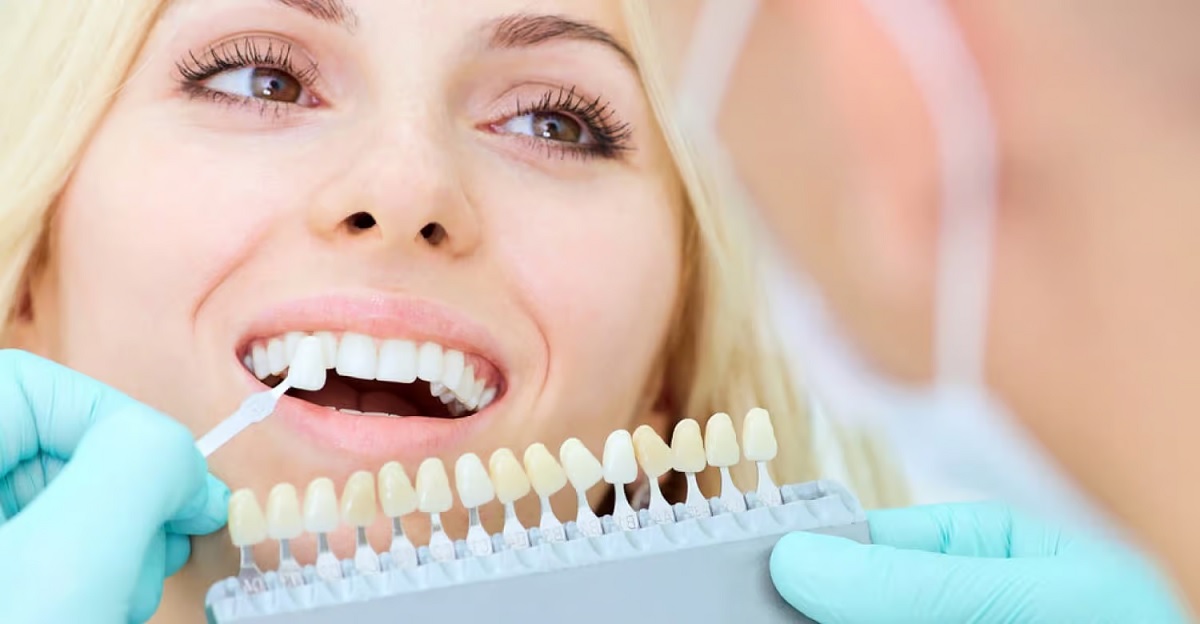
The appeal of a whiter smile is undeniable, influencing perceptions of health and confidence. However, with the proliferation of various whitening methods, from over-the-counter kits to professional dental procedures, understanding the safety aspects is paramount. This article clarifies key safety facts about teeth whitening, ensuring informed decisions for those considering enhancing their smile.
The Regulatory Landscape in the UK
Teeth whitening in the UK is governed by strict regulations to protect public health. The primary active ingredient in most effective whitening products is hydrogen peroxide, or compounds that release it, such as carbamide peroxide. The EU Council Directive 2011/84/EU, transposed into UK law, specifies the permissible concentrations. Products containing or releasing up to 6% hydrogen peroxide are legal for use, but only if certain conditions are met. These include that the product must be sold exclusively to dental practitioners, a clinical examination must be carried out before the first use, and the initial application must be performed by a dental professional or under their direct supervision. Products with a hydrogen peroxide concentration exceeding 6% are illegal for cosmetic use and are restricted to medical applications for the treatment of disease. For over-the-counter products, the legal limit for hydrogen peroxide is a mere 0.1%, a concentration generally considered too low to deliver noticeable whitening results. This regulatory framework underscores the importance of professional involvement in teeth whitening procedures to ensure safety and efficacy.
Professional Supervision is Crucial
Dr. Sahil Patel, a leading London cosmetic dentist at Marylebone Smile Clinic, highlights this point: “Patient safety is our utmost priority. While the desire for a brighter smile is understandable, it’s crucial to approach teeth whitening with caution. Professional assessment ensures that any underlying dental issues are addressed before treatment, preventing potential complications. We tailor treatment plans to individual needs, using regulated products and techniques to ensure safe and effective whitening outcomes. This professional oversight minimises risks like excessive sensitivity or gum irritation, giving patients peace of mind and predictable results.” To understand more about safe and effective teeth whitening, consider exploring their comprehensive guide on the topic.
The most significant safety fact regarding teeth whitening is that it should ideally be performed or supervised by a qualified dental professional. This is not merely a recommendation but a legal requirement for products containing concentrations of hydrogen peroxide that are genuinely effective. A dentist can assess your oral health, identify any underlying issues such as cavities, gum disease, or existing dental restorations (crowns, veneers, fillings) that would affect the whitening outcome or make the procedure unsafe. For example, whitening gels do not alter the colour of artificial dental work, which could lead to an uneven appearance. More critically, applying strong whitening agents to compromised teeth or gums can lead to severe sensitivity, pain, or even permanent damage. A professional can also advise on the most suitable whitening method for your specific needs and monitor the process to minimise risks and achieve optimal results.
Understanding Potential Side Effects
While teeth whitening is generally safe when performed professionally, it is important to be aware of potential side effects. The most common side effect is temporary tooth sensitivity, which can manifest as a tingling sensation or mild pain, particularly to hot or cold stimuli. This occurs because the whitening agent temporarily opens the dentinal tubules, which are microscopic channels leading to the nerve of the tooth. This sensitivity typically subsides within a few days after treatment. Dentists often recommend desensitising toothpastes or gels before and after whitening to mitigate this discomfort.
Another potential side effect is gum irritation, which can occur if the whitening gel comes into contact with the soft tissues of the mouth. Professional treatments involve the use of gum barriers or protective gels to prevent this. With at-home kits, if the custom-fitted trays are not precise, or if too much gel is used, it can leak onto the gums, causing irritation or even chemical burns. This reinforces why a proper fit and expert guidance are essential. In rare cases, overuse or misuse of whitening products can lead to damage to the enamel or underlying tooth structure, though this is primarily associated with unregulated, high-concentration products or improper application without professional supervision.
The Dangers of Unregulated Products and Non-Dental Providers
The market is saturated with various teeth whitening products available online or from non-dental establishments such as beauty salons. These often contain illegally high concentrations of hydrogen peroxide or other harsh chemicals, sometimes exceeding 30%. Such products pose significant risks, including severe chemical burns to the gums and soft tissues, irreversible damage to tooth enamel, extreme and prolonged tooth sensitivity, and even nerve damage requiring extensive dental work like root canal treatment or extractions.
Furthermore, individuals performing teeth whitening in beauty salons or other non-dental settings are often untrained and unregulated. In the UK, it is illegal for anyone other than a registered dental professional (dentist, dental hygienist, or dental therapist under dentist’s prescription) to carry out teeth whitening procedures. This is because teeth whitening is considered a dental procedure that requires a thorough understanding of oral anatomy, potential risks, and appropriate treatment protocols. Opting for cheaper, unregulated treatments can lead to costly and painful complications, negating any initial savings. When seeking a cosmetic dentist London, always verify their credentials and registration with the General Dental Council (GDC).
Not All Stains Are Equal: Treatment Suitability
It is a common misconception that teeth whitening will effectively remove all types of tooth discolouration. In reality, whitening is most effective on extrinsic stains, which are surface stains caused by food, drinks (like coffee, tea, red wine), and tobacco. It is also generally effective on intrinsic stains that develop over time due to natural ageing, where the dentin (the layer beneath the enamel) yellows.
However, certain types of intrinsic stains may not respond well to conventional whitening methods. These can include discolouration caused by certain medications (e.g., tetracycline antibiotics), excessive fluoride intake (fluorosis), or trauma to the tooth. In such cases, alternative cosmetic dentistry solutions like veneers or composite bonding might be more appropriate. A thorough dental examination by a professional is necessary to determine the cause of discolouration and whether teeth whitening is a suitable and effective option. This pre-treatment assessment is a crucial safety step, preventing unrealistic expectations and unnecessary procedures.
Maintaining Results Safely
After achieving your desired shade, safe maintenance of your whitened smile is important. The effects of teeth whitening are not permanent, and teeth will naturally begin to discolour again over time due to diet, lifestyle, and natural ageing. Most dentists recommend “top-up” treatments every few months or annually to maintain the brightness. These often involve using lower concentration gels at home with custom trays, under the dentist’s guidance.
To prolong the results and minimise the need for frequent whitening, good oral hygiene practices are essential. This includes regular brushing and flossing to remove food debris and surface stains. Limiting consumption of highly pigmented foods and drinks, and avoiding tobacco products, will also help. While whitening toothpastes can assist in removing superficial stains, they typically do not contain enough active whitening agent to significantly change the tooth shade and some abrasive varieties can potentially wear down enamel with prolonged use. It’s important to consult with your dentist about the safest and most effective ways to maintain your newly brightened smile without risking damage to your teeth or gums.
Choosing a Reputable Provider
Selecting a reputable dental practice is paramount when considering teeth whitening. A qualified cosmetic dentist London will adhere to all UK regulations, use approved materials, and possess the necessary expertise to perform the procedure safely and effectively. Before committing to any treatment, patients should feel comfortable asking about the dentist’s qualifications, experience, and the specific products and procedures they intend to use. A transparent practice will provide a clear treatment plan, discuss potential side effects, and offer advice on aftercare. Checking a dentist’s registration with the General Dental Council (GDC) offers an assurance of their professional standing.
Many established dental clinics in London offer comprehensive cosmetic dentistry services, including a range of teeth whitening options tailored to individual needs. These clinics often invest in the latest technologies and follow best practices to ensure patient safety and satisfaction. They understand that a beautiful smile is also a healthy smile, and their approach to teeth whitening integrates both aesthetic goals and oral health considerations.
Understanding the Whitening Process
The professional teeth whitening process typically involves several stages, each designed with safety in mind. Initially, a comprehensive oral examination assesses the patient’s suitability for whitening. This involves checking for cavities, gum disease, and the overall health of the teeth. X-rays may be taken if necessary to identify any hidden issues. This pre-treatment assessment ensures that the whitening agent will not exacerbate any existing problems or cause unforeseen complications.
Once suitability is confirmed, impressions of the teeth are usually taken to create custom-fitted whitening trays for at-home use. These trays are crucial for safe and even application of the whitening gel, preventing it from leaking onto the gums. The patient receives detailed instructions on how to use the gel, the duration of wear, and how to manage any temporary sensitivity. For in-chair whitening, a protective barrier is carefully applied to the gums before the higher-concentration gel is applied to the teeth. A special light may be used to accelerate the whitening process. Throughout both at-home and in-chair treatments, the dentist or hygienist maintains close supervision, offering support and addressing any concerns. This meticulous approach minimises risks and optimises outcomes.
The Role of Oral Hygiene in Whitening Safety
Maintaining excellent oral hygiene is fundamental not only for general dental health but also for the safety and effectiveness of teeth whitening. Before any whitening procedure, professional cleaning (scale and polish) is often recommended to remove plaque and tartar buildup. This ensures that the whitening gel can directly access the tooth surface, leading to more even and effective results. Furthermore, good oral hygiene habits post-whitening help to maintain the brightness and prevent new stains from forming, thereby reducing the frequency of re-whitening treatments.
Neglecting oral hygiene, conversely, can compromise the safety of whitening. If significant plaque and tartar are present, the whitening gel may not penetrate effectively, leading to patchy results. More seriously, if gum disease or cavities are left untreated, the whitening chemicals can irritate inflamed gums or penetrate decaying tooth structure, causing pain, infection, or further damage. Therefore, teeth whitening should always be considered as an adjunct to, and not a replacement for, a consistent and thorough oral hygiene routine and regular dental check-ups.
Addressing Misinformation and Myths
The widespread availability of information, and misinformation, online means that many myths surrounding teeth whitening persist. Common myths include the idea that whitening permanently damages enamel, that natural remedies are as effective and safer, or that teeth whitening is a one-time solution. Addressing these myths with factual information is a key aspect of safe dental care.
As discussed, professional teeth whitening, when done correctly, does not cause permanent damage to enamel. Temporary sensitivity is a common side effect, but it resolves. Natural remedies like lemon juice and baking soda can be highly abrasive or acidic, leading to enamel erosion and increased sensitivity, making them far riskier than regulated dental products. Moreover, the results of teeth whitening are not permanent, necessitating a maintenance regimen. Dispelling these myths and promoting evidence-based understanding of teeth whitening contributes significantly to patient safety and satisfaction. A qualified cosmetic dentist in London will always provide clear, accurate information to help patients make informed decisions about their dental health.
The Psychological Aspect of Safe Whitening
Beyond the physical safety, there’s a psychological dimension to safe teeth whitening. Patients should have realistic expectations about the results. Professional whitening can significantly brighten a smile, but it will not achieve an unnatural “Hollywood white” that some patients might envision based on heavily edited images or unrealistic claims from unregulated providers. A responsible dental professional will discuss achievable outcomes based on the individual’s natural tooth shade and the type of staining.
Unrealistic expectations can lead to dissatisfaction and potentially encourage individuals to seek further, potentially unsafe, treatments in pursuit of an unattainable ideal. A good cosmetic dentist will manage these expectations, ensuring that the patient’s desire for a brighter smile is met within the bounds of what is safe and aesthetically natural for them. This holistic approach, combining physical safety with psychological well-being, is a hallmark of ethical dental practice.
Conclusion
Teeth whitening offers a transformative way to enhance one’s smile, but its safety hinges entirely on informed choices and professional oversight. The UK’s stringent regulations are in place to guide consumers towards safe practices, primarily through licensed dental professionals. Understanding the limits of over-the-counter products, the potential side effects, and the necessity of a pre-treatment assessment by a qualified dentist are crucial steps. For residents of London considering this popular cosmetic procedure, seeking advice from a reputable cosmetic dentist London ensures not only a brighter smile but also the protection of their long-term oral health. Prioritising safety over speed or cost will lead to the most effective and healthy outcomes for your teeth.
