
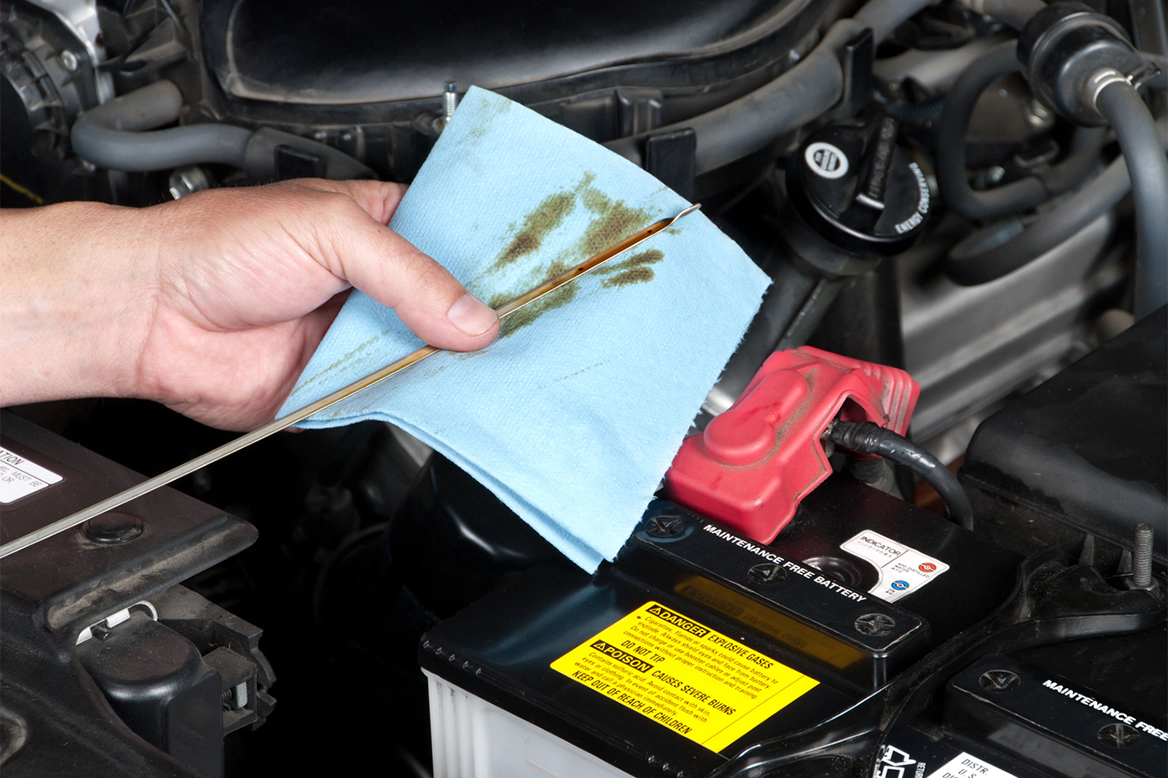
An automotive engine is a complex assembly of rapidly moving metal components that generate immense heat and friction during operation. To prevent these components from destroying themselves, a vehicle relies on a network of specialized fluids. These fluids lubricate moving parts, dissipate extreme thermal energy, clean internal channels, and transmit hydraulic pressure.
Neglecting regular fluid maintenance is one of the most common causes of premature engine failure and expensive repair bills. While modern vehicles feature sophisticated dashboard warning lights, these indicators often illuminate only after significant damage or pressure drops have already occurred. Establishing a routine schedule for checking your vehicle fluids manually is the most effective way to guarantee long-term engine health, maintain fuel efficiency, and ensure driving safety.
The Role of Engine Oil as a Primary Lifeline
Engine oil is arguably the most critical fluid operating underneath the hood. Its primary responsibility is to create a microscopic barrier between high-speed metal surfaces, such as the pistons, crankshaft, and camshafts.
Lubrication and Friction Reduction
Without adequate lubrication, the friction generated by metal sliding against metal creates intense heat capable of welding components together in a matter of minutes. This catastrophic event, known as engine seizure, typically requires a complete engine replacement. High-quality motor oil keeps these surfaces sliding smoothly, minimizing wear and maximizing mechanical efficiency.
Thermal Management and Internal Cleaning
While the radiator cools the upper portions of the engine, the circulating oil handles a massive amount of heat dissipation in the lower engine block. As it moves through the oil pan and up into the cylinder heads, it absorbs thermal energy and carries it away from volatile areas. Furthermore, engine oil contains specialized detergents designed to trap dirt, carbon deposits, and microscopic metal shavings. It carries these particles to the oil filter, preventing abrasive sludge from building up inside the tight tolerances of the engine channels. Over time, the oil breaks down due to heat and chemical exposure, necessitating complete oil and filter changes according to your manufacturer guidelines.
Preventing Catastrophic Overheating with Engine Coolant
Engine coolant, which is a precisely balanced mixture of ethylene glycol or propylene glycol and distilled water, serves as the main line of defense against thermal breakdown. An internal combustion engine operates most efficiently at a specific target temperature, usually between 195 and 220 degrees Fahrenheit. If temperatures climb beyond this window, severe structural damage occurs rapidly.
How Coolant Protects Internal Metal
The cooling system circulates fluid through channels built directly into the engine block and cylinder heads. The coolant absorbs excess combustion heat and transports it forward to the radiator, where airflow cools the liquid down before it routes back into the engine. If the coolant level drops due to a leak, or if the fluid becomes old and loses its chemical properties, the engine will quickly overheat.
Consequences of a Failed Cooling System
Allowing an engine to overheat can cause immediate, catastrophic destruction. The high heat causes the metal cylinder head to warp, breaking the tight seal maintained by the head gasket. Once a head gasket fails, coolant can leak directly into the combustion chambers or mix with the engine oil, destroying the oil lubricating capabilities and ruining the engine bearings. In extreme scenarios, the metal pistons expand so much from the heat that they crack or completely shatter the engine block.
Transmission Fluid and Drivetrain Preservation
While transmission fluid does not flow inside the engine block itself, its condition directly impacts the workload and health of the engine. The transmission alters gear ratios to ensure the engine operates within an optimal RPM range relative to the speed of the vehicle.
Lubrication and Hydraulic Action
In automatic transmissions, the fluid plays a dual role. It acts as a lubricant for the complex planetary gear sets and as a hydraulic fluid that physically applies internal clutches to shift gears. In manual transmissions, a heavier gear oil keeps the metal cogs from wearing down. When transmission fluid breaks down or runs low, the gears slip, create excessive friction, and generate immense heat.
The Strain of Transmission Slippage on the Engine
If a transmission cannot engage gears smoothly due to degraded fluid, the engine must rev higher and work significantly harder to move the vehicle. This extra burden increases the internal temperatures of the engine and places undue stress on the crankshaft and main seals. Routinely inspecting the color and smell of transmission fluid can warn you of internal issues before they cause total drivetrain failure. Healthy fluid is typically translucent and reddish, while burnt or heavily contaminated fluid appears dark brown or black and smells distinctly acrid.
The Hydraulic Necessity of Brake and Power Steering Fluids
While often overlooked during engine health discussions, brake fluid and power steering fluid are critical hydraulic elements that influence the safe operation of the overall automotive system.
Brake Fluid Integrity
Brake fluid operates in a completely closed system to translate the physical pressure of your foot on the pedal into stopping force at the wheels. This fluid is hygroscopic, meaning it naturally absorbs moisture from the surrounding environment over time. As moisture levels rise, the boiling point of the brake fluid drops significantly. Under heavy braking conditions, the water inside the lines can boil and turn into gas, creating a spongy brake pedal and reduced stopping capabilities. From an engine health perspective, a failing brake system places immense drag on the vehicle if a caliper sticks, forcing the engine to burn more fuel and run hotter to overcome the constant resistance.
Power Steering Assistance
Most modern vehicles use electric power steering, but millions of vehicles on the road still utilize hydraulic power steering pumps driven by an engine accessory belt. Low power steering fluid levels cause the pump to whine loudly and run dry, generating heavy friction. If the pump seizes completely due to a lack of fluid, it can shred the serpentine belt, instantly disabling the alternator, the water pump, and the engine cooling system simultaneously.
Frequently Asked Questions
Why does engine oil change color from golden brown to black over time?
The color change is a sign that the engine oil is successfully performing its job. As oil circulates through the hot engine, it absorbs carbon combustion byproducts, soot, dirt, and microscopic debris. This suspended debris darkens the fluid. While a darker color alone does not always mean the oil is worn out, it indicates that the oil is actively capturing contaminants, which is why sticking to a mileage-based replacement interval is necessary.
Can you mix different types or brands of coolant in an emergency?
Mixing completely different formulations of coolant, such as traditional green inorganic acid technology with modern orange or pink organic acid technology, is highly discouraged. The different chemical packages can react negatively with each other, causing the fluid to gel or create a thick sludge. This sludge clogs the narrow passages inside the radiator and engine block, blocking fluid flow and causing severe engine overheating.
What causes a vehicle to consume engine oil when there are no visible leaks on the ground?
If there are no puddles underneath the vehicle, the engine is likely burning the oil internally. This occurs when internal components like piston rings or valve stem seals become worn down or damaged, allowing oil to bypass the seals and enter the combustion chamber. The oil is then burned along with the air and fuel mixture, often producing a distinct bluish smoke from the exhaust pipe.
How does low windshield washer fluid affect overall vehicle operation?
While windshield washer fluid does not impact mechanical engine health, it is a critical safety fluid. Driving with a dirty or obstructed windshield severely compromises your visibility, especially when facing direct sunlight or oncoming headlights at night. Running out of washer fluid during a storm or on a muddy road can instantly create an unsafe driving environment.
What is the purpose of the small vent hole on a brake fluid reservoir cap?
The reservoir cap features a small venting mechanism or flexible rubber diaphragm to accommodate the changing fluid levels inside the reservoir. As brake pads wear down over thousands of miles, the calipers extend further outward, drawing more fluid down into the brake lines and lowering the level in the reservoir. The vent allows air pressure to adjust safely without creating a vacuum that could impede brake performance.
How can you tell if water has contaminated your engine oil?
Water or coolant contamination in the oil produces a highly recognizable appearance often described as looking like chocolate milk or mayonnaise. If you pull the oil dipstick or look inside the oil filler cap and notice a thick, milky, frothy yellowish-brown substance, it indicates that coolant or heavy moisture is mixing with the oil, which usually points to a failed head gasket.
Why do some modern cars lack a traditional dipstick for checking transmission fluid?
Many manufacturers now design vehicles with sealed transmissions to reduce the risk of consumer contamination and ensure the specialized fluid remains pure. These systems use electronic sensors to monitor fluid levels and temperatures, displaying warnings directly on the driver dashboard menu, or they require a professional technician to check the fluid level from a specific overflow plug underneath the vehicle chassis.
