
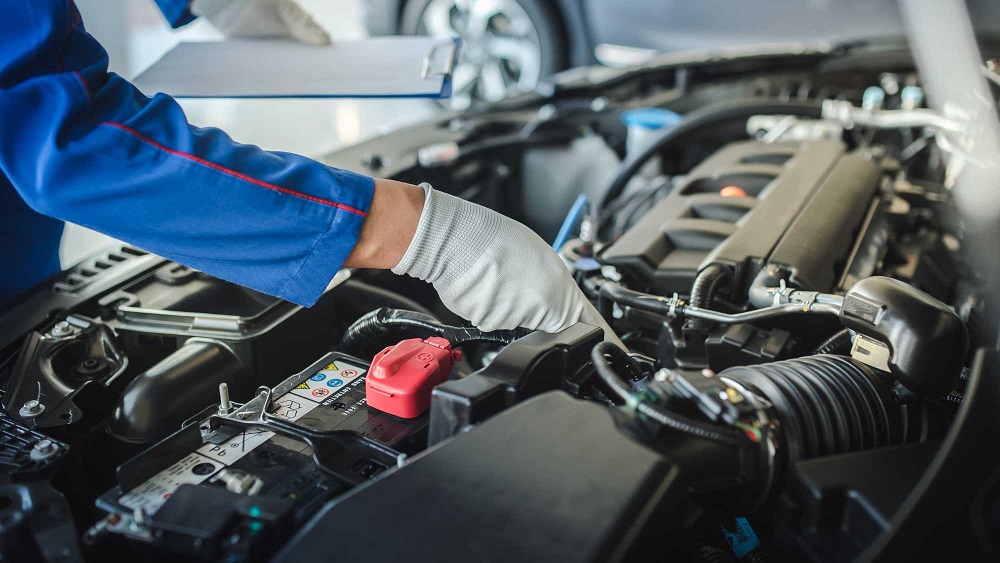
Modern vehicles are complex machines relying on an intricate network of mechanical parts, hydraulic systems, and computerized modules. For many vehicle owners, opening the hood reveals a confusing landscape of metal, hoses, and wiring. Understanding how these components interact gives you the confidence to manage basic maintenance, diagnose simple issues, and speak intelligently with professional mechanics. This guide breaks down the core systems of a passenger car, explains essential fluid maintenance, identifies early warning signs of failure, and covers standard diagnostic practices.
The Primary Systems of an Automotive Vehicle
An automobile consists of several distinct systems working simultaneously to provide movement, stability, stopping power, and comfort.
The Internal Combustion Engine
The engine serves as the power source of the vehicle. Most traditional cars use a four-stroke internal combustion engine that converts fuel into mechanical energy through a controlled series of explosions. The four steps include intake, compression, power, and exhaust. Air and fuel enter the cylinder, the piston compresses the mixture, a spark plug ignites it to force the piston down, and the spent exhaust gases exit the system.
The Powertrain and Transmission
Power generated by the engine must reach the wheels to move the car. The transmission manages this power distribution by changing gear ratios based on vehicle speed and engine load. Manual transmissions require the operator to engage a clutch pedal and mechanically shift gears. Automatic transmissions use a torque converter and planetary gear sets to change gears automatically. The power then travels through the driveshaft, differential, and axles to rotate the wheels.
The Braking System
Automotive safety relies heavily on the braking system, which converts kinetic energy into thermal energy through friction. Most modern vehicles utilize disc brakes on the front wheels and either disc or drum brakes on the rear wheels. When you press the brake pedal, hydraulic fluid forces a caliper to squeeze brake pads against a spinning metal disc called a rotor. This friction slows the vehicle down.
The Suspension and Steering Systems
The suspension system keeps the tires in contact with the road surface while absorbing bumps and shocks from uneven pavement. It consists of springs, shock absorbers or struts, and control arms. The steering system, usually a rack-and-pinion design, translates the rotation of the steering wheel into lateral movement of the front wheels, allowing you to guide the vehicle accurately.
Essential Fluid Maintenance and Identification
Fluids are the lifeblood of a car. They cool moving parts, lubricate frictional surfaces, and transmit hydraulic pressure. Regularly checking these fluids prevents catastrophic mechanical failures.
Engine Oil
Engine oil minimizes friction among the moving parts inside the engine block. Over time, the oil breaks down due to heat and collects contaminants, losing its lubricating properties. You should check the engine oil level using the dipstick at least once a month. Make sure the vehicle sits on level ground with a cool engine. Wipe the dipstick clean, reinsert it fully, pull it out again, and confirm that the oil level sits between the minimum and maximum indicator markings.
Engine Coolant
Coolant, often referred to as antifreeze, circulates through the engine block to absorb excess heat before traveling to the radiator, where the heat dissipates into the air. Coolant levels can be checked by looking at the translucent overflow reservoir next to the radiator. Never open the actual radiator cap while the engine is hot, as the system is highly pressurized and can spray scalding liquid.
Brake Fluid
Brake fluid operates inside a sealed, pressurized hydraulic system. It absorbs moisture from the air over time, which reduces its boiling point and can cause a spongy brake pedal feel. The reservoir sits on the driver-side firewall near the back of the engine bay. The fluid should be clear or light amber. If it appears dark brown or black, it requires replacement.
Transmission Fluid
Transmission fluid lubricates the internal gears and cooling elements of the transmission. In automatic cars, it also acts as a hydraulic fluid to change gears. Some cars feature a transmission dipstick similar to the engine oil dipstick, while others feature sealed systems that require a technician to check from underneath the vehicle. Healthy transmission fluid is typically bright red or pink.
Recognizing Common Warning Signs
Vehicles often give clear sensory warnings before a component fails completely. Paying attention to unusual sights, sounds, smells, or vibrations can save thousands of dollars in emergency repairs.
Dashboard Warning Lights
The dashboard contains various illumination icons connected to the vehicle engine control unit.
-
Check Engine Light: Indicates an issue with the emissions, fuel system, or ignition components. A flashing light signifies a severe misfire that can ruin the catalytic converter, requiring immediate attention.
-
Oil Pressure Light: Shows a dangerous drop in oil pressure. If this light activates while driving, pull over immediately and shut off the engine to prevent total engine destruction.
-
Battery Light: Suggests a fault in the charging system, meaning the alternator is not charging the battery properly.
Unusual Noises
-
Squealing or Squeaking: High-pitched squealing while applying the brakes indicates that the brake pad wear indicators are making contact with the rotor, signaling that the pads are worn thin. Squealing from the engine bay often points to a worn or loose serpentine belt.
-
Clunking or Popping: Loud thuds or pops when driving over bumps or when turning the steering wheel point toward worn suspension joints, loose control arms, or failing constant velocity joints in the axles.
-
Grinding: Metal-on-metal grinding during braking means the brake pads are completely gone, and the metal backing plate is destroying the brake rotor.
Vibrations and Smells
A steering wheel that shakes at high speeds usually indicates unbalanced tires or improper wheel alignment. A vibration felt through the brake pedal during deceleration suggests warped brake rotors. Smelling sweet odors inside or outside the car hints at a coolant leak, while a pungent burning smell can mean burning oil or stuck brake calipers.
Diagnostic Practices and Basic Toolkits
Before spending money on replacement parts, proper troubleshooting saves time and effort. Modern vehicles utilize an On-Board Diagnostics version two system, abbreviated as OBD-II, for self-diagnostics.
When a sensor detects a reading outside of normal operational parameters, the computer stores a diagnostic trouble code and illuminates a dashboard warning light. You can plug a pocket-sized OBD-II scanner into the diagnostic port, usually located underneath the dashboard on the driver side, to read these alphanumeric codes. A code does not explicitly tell you which part to replace; rather, it identifies the specific circuit or system experiencing a malfunction, giving you a precise starting point for your mechanical inspection.
If you plan to perform basic maintenance tasks like changing air filters, replacing spark plugs, or swapping out a dead battery, you should assemble a foundational toolkit. This kit should include a socket set with both metric and standard measurements, a set of screwdrivers, adjustable pliers, a torque wrench to tighten bolts to exact specifications, and safety gear like protective eyewear and mechanics gloves.
Frequently Asked Questions
How often should a car battery be replaced under normal conditions?
An automotive battery typically lasts between three and five years. Factors such as extreme hot or cold temperatures, frequent short trips that do not allow the alternator to recharge the battery fully, and constant electrical drains can shorten this lifespan. Testing your battery voltage with a multimeter annually after the three-year mark helps identify a weak battery before it leaves you stranded.
Why does the steering wheel pull to one side while driving on a flat road?
If the vehicle constantly drifts or pulls to one side on a level surface, the front-wheel alignment is likely out of specification. Potholes, hitting curbs, and worn suspension components can alter the angles of the steering and suspension systems. This issue causes uneven tire wear and strains steering components, requiring a professional alignment service to correct.
What is the difference between a cabin air filter and an engine air filter?
The engine air filter sits inside an air box in the engine compartment and prevents dust, dirt, and debris from entering the engine cylinders, ensuring clean combustion. The cabin air filter is usually located behind the glove compartment or under the dashboard, filtering the air that enters the interior passenger cabin through the heating and air conditioning vents.
Why do tires need to be rotated regularly if they all spin at the same time?
Front and rear tires experience different forces based on weight distribution, braking loads, and steering angles. Front-wheel-drive vehicles cause front tires to wear out much faster because those tires handle power delivery, steering, and the majority of braking forces. Rotating the tires from front to back according to manual guidelines ensures even tread wear and extends the overall life of the tire set.
What causes a car engine to crank slowly without starting up?
A slow, dragging crank sound when turning the ignition key points to an electrical delivery failure. The most common cause is a depleted or failing battery that cannot provide the high amperage required by the starter motor. Corrupted or corroded battery terminals, a failing starter motor internal winding, or high electrical resistance in the main battery cables can also produce a slow crank.
How can a driver distinguish between a bad alternator and a bad starter?
A bad alternator usually manifests while driving or right after a drive, causing headlights to dim, dashboard electronics to behave erratically, and the engine to eventually die because the battery runs completely out of power. A bad starter shows symptoms only when trying to initiate engine startup. If the battery is fully charged and testing good, but turning the key results in a single loud click or absolute silence, the starter motor is usually the culprit.
What does it mean when there is a puddle of clear fluid under the front passenger side of the car?
A puddle of clear, odorless fluid beneath the front passenger area during warm weather is almost always condensation from the air conditioning system. The air conditioning evaporator core extracts moisture from the humid outside air as it cools the interior cabin, draining that accumulated water outside the vehicle through a small rubber hose, which is perfectly normal.
