
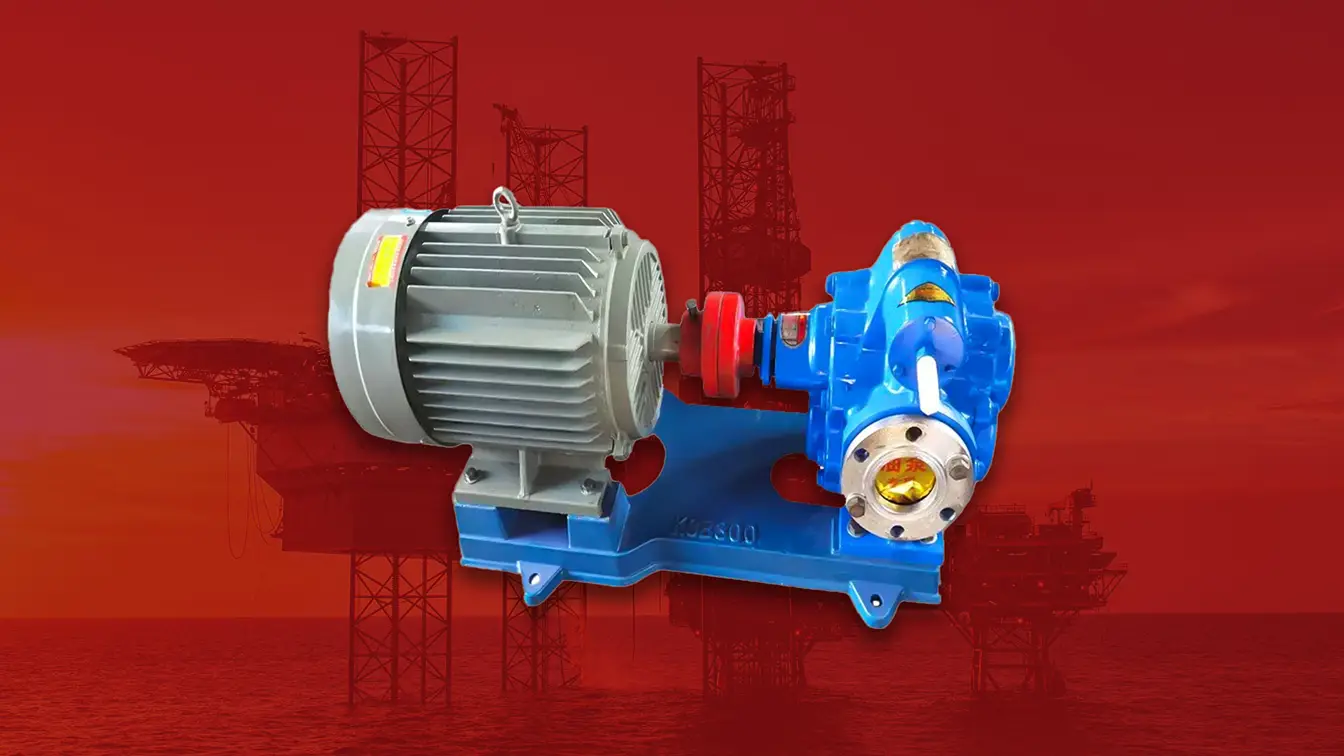
Efficient lubrication is the backbone of any industrial system that relies on machinery and mechanical components. The performance, durability, and reliability of industrial equipment largely depend on how well the lubrication system operates. At the heart of these systems, the oil gear pump plays a crucial role, ensuring that lubricating fluids are delivered consistently and effectively. In this article, we will explore how gear pumps for oil optimize lubrication, maintain system efficiency, and enhance the lifespan of industrial machinery.
Understanding Oil Gear Pumps
Oil gear pumps are a type of positive displacement pump that uses meshing gears to transfer oil from one part of a system to another. These pumps are widely used in industrial applications due to their simple design, high efficiency, and ability to handle a wide range of viscosities. The primary function of a gear pump for oil is to ensure a steady, controlled flow of lubrication oil to critical components such as bearings, gears, and hydraulic systems.
Unlike other pumping mechanisms, oil gear pumps do not rely on suction alone; they create a vacuum at the inlet, allowing them to draw oil in efficiently, and then force it through the system under pressure. This capability makes them highly reliable for maintaining consistent lubrication in high-demand environments.
How Gear Pumps for Oil Work
The operation of an oil gear pump is straightforward but highly effective. It consists of two or more interlocking gears housed within a casing. As these gears rotate, oil is trapped between the teeth and carried from the inlet side of the pump to the outlet. The continuous rotation ensures a steady flow of oil at a consistent pressure, which is essential for proper lubrication.
One of the significant advantages of gear pumps for oil is their ability to maintain efficiency even under varying loads and speeds. This adaptability ensures that the oil reaches all critical parts of a machine, preventing friction, overheating, and wear that could lead to premature failure.
Importance of Efficient Lubrication in Industrial Systems
Lubrication in industrial systems is more than just a protective measure—it directly impacts productivity, operational efficiency, and maintenance costs. Proper lubrication reduces friction between moving parts, minimizing energy loss and heat generation. It also helps in preventing corrosion, removing debris, and dissipating heat from high-speed components.
An oil gear pump ensures that lubrication is consistent, even in complex systems with multiple lubrication points. Without a reliable pump, certain components may receive insufficient oil, leading to uneven wear and potential system breakdowns. By maintaining a continuous and controlled flow of oil, gear pumps for oil safeguard machinery performance and extend equipment life.
Advantages of Using Oil Gear Pumps
Consistent Flow and Pressure
Oil gear pumps provide a steady flow of oil regardless of pressure fluctuations in the system. This consistency is crucial in industrial applications where lubrication timing and volume must be precise. A gear pump for oil guarantees that all parts receive the right amount of lubrication, preventing both under-lubrication and excessive oil delivery.
Handling Various Viscosities
Industrial oils can vary significantly in viscosity, especially when operating across different temperature ranges. Oil gear pumps are designed to handle this variation effectively, ensuring that even thick oils reach critical areas without delay or reduction in flow. This feature makes them ideal for environments where temperature fluctuations could affect oil performance.
Durability and Low Maintenance
Gear pumps for oil are known for their robust construction and long service life. With fewer moving parts and a compact design, these pumps require minimal maintenance compared to other types of pumps. Their durability ensures uninterrupted lubrication in continuous industrial operations, reducing downtime and maintenance costs.
Energy Efficiency
By efficiently transferring oil with minimal internal leakage, oil gear pumps reduce energy consumption in industrial lubrication systems. The precise delivery of oil ensures that no excess power is wasted, making these pumps a cost-effective solution for large-scale operations.
Common Industrial Applications
Oil gear pumps are versatile and can be found across various industrial sectors. Some common applications include:
- Hydraulic Systems: Gear pumps for oil are often used to supply hydraulic fluids under pressure, enabling smooth and reliable operation of hydraulic machinery.
- Machine Tools: Lubrication of spindles, bearings, and gears in machine tools relies on consistent oil delivery, which oil gear pumps provide.
- Automotive Manufacturing: From assembly lines to engine testing, gear pumps for oil ensure components are properly lubricated.
- Power Plants: Lubricating turbines, generators, and auxiliary equipment requires a high level of precision, achievable with oil gear pumps.
Ensuring Optimal Performance of Gear Pumps for Oil
To maintain the efficiency of an oil gear pump, proper installation and routine maintenance are essential. Key practices include:
Regular Inspection
Checking for wear on gear teeth, bearings, and seals ensures that the pump operates efficiently. Early detection of issues prevents more extensive damage and maintains a steady oil flow.
Monitoring Oil Quality
Contaminated or degraded oil can damage pump components and reduce lubrication efficiency. Regular monitoring and filtration of oil help preserve both the pump and the machinery it serves.
Correct Alignment and Installation
Improper alignment or installation can lead to premature wear, leaks, or reduced flow. Following manufacturer guidelines during installation ensures optimal performance and long-term reliability.
Temperature Control
Maintaining the appropriate oil temperature is critical, as extreme temperatures can affect viscosity and pump efficiency. Cooling or heating systems may be necessary in certain industrial applications to ensure consistent lubrication.
Future Trends in Oil Gear Pump Technology
As industrial systems evolve, so do the technologies surrounding lubrication. Modern oil gear pumps are increasingly incorporating advanced materials, precision engineering, and monitoring capabilities. Smart pumps with sensors can provide real-time data on flow rates, pressures, and temperatures, allowing for predictive maintenance and improved system efficiency.
Additionally, efforts to enhance energy efficiency and reduce environmental impact are driving the development of gear pumps for oil that require less power while maintaining optimal performance. These innovations will continue to make industrial lubrication systems more reliable, efficient, and sustainable.
Efficient lubrication is vital for the smooth operation and longevity of industrial machinery. Oil gear pumps play an indispensable role in ensuring that oil is delivered consistently and reliably to all critical components. By maintaining steady flow and pressure, handling varying viscosities, and providing durable performance, gear pumps for oil enhance productivity and minimize maintenance costs across industries.
Investing in high-quality oil gear pumps not only safeguards equipment but also contributes to operational efficiency and energy savings. As industries continue to demand more reliable and efficient systems, the importance of these pumps in lubrication cannot be overstated. Understanding their operation, advantages, and maintenance requirements allows industrial operators to maximize performance and ensure long-lasting machinery reliability.
