
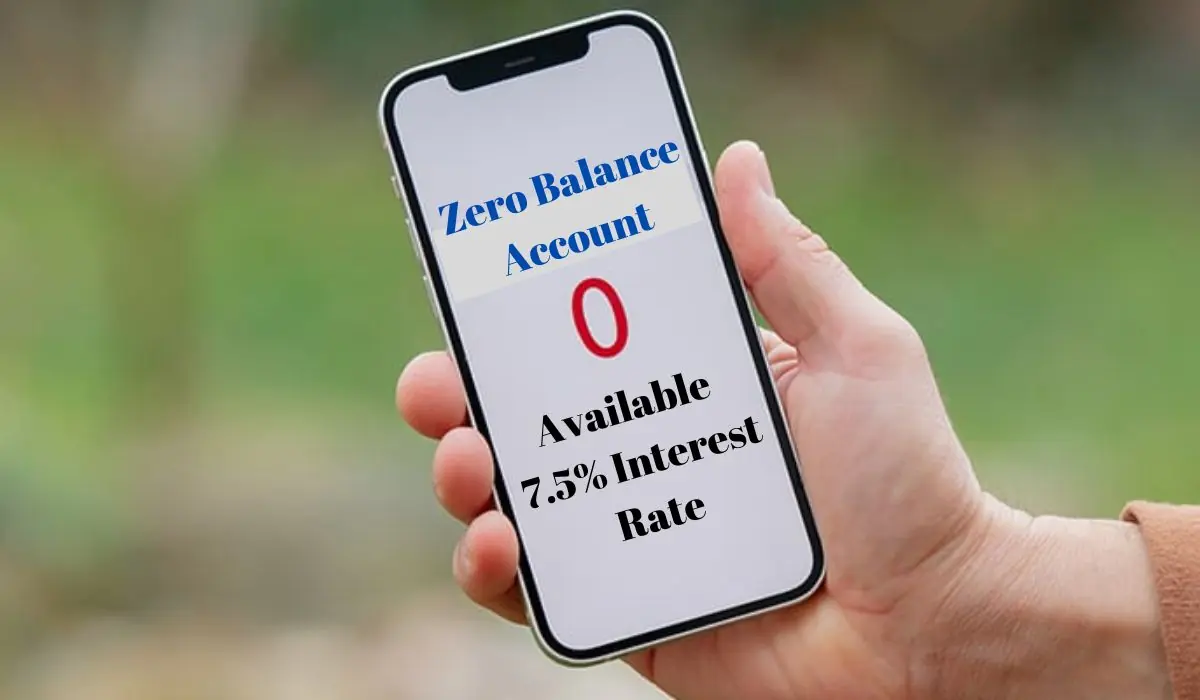
A Zero Balance Account is a game-changer in the world of banking as it relieves you from the worries of maintaining a minimum balance. Opening such a bank account is simple, involving only a few easy-to-follow steps. However, you may miss some crucial account limits or overlook certain operational requirements during this procedure and face troubles.
Let’s explore some common mistakes people make while initiating a Zero Balance Account opening process and how to avoid them. This will help you make the most of this convenient banking option.
Features and benefits of a Zero Balance Account
- It stays active even with zero balance, so you don’t need to maintain any minimum balance.
- You can use all regular banking options for deposits, withdrawals, and transfers.
- Opening the account is quick and simple, either through online KYC verification or by visiting a branch.
- You can withdraw your entire balance at any time without closing the account, through ATMs or online transfers.
- There are no penalty charges for not maintaining a minimum balance, making it easier to manage even for those with fluctuating income.
- You can easily send money, pay bills and check balances anytime through mobile banking services.
- This bank account makes banking accessible for everyone, encouraging regular savings and helping you manage money better.
Common mistakes made during Zero Balance Account Opening
Not setting a clear saving goal
Setting a clear savings goal keeps you focused. Goal-based savings can help in planning for your needs and ensure you reach them without financial stress.
Incomplete or incorrect paperwork
Always submit the correct documents when opening an account. Check identity and address proofs carefully to avoid delays or rejection.
Not comparing different bank accounts
Don’t rush to open an account. Compare different options and you might find one with better benefits.
Ignoring terms and conditions
Never skip reading the terms and conditions. Understand all rules, including account closure terms and ask questions to your banking agent to avoid problems later.
Failing to maintain a limit on the number of transactions
Zero Balance Accounts may have limits on the number of free transactions. Keep track to avoid extra charges and make the most of your account.
Not considering interest rates, fees and charges
Check interest rates and watch for hidden fees. Even a small charge or rate difference can affect your savings growth over time.
Things to consider while Zero Balance Account Opening
Transaction limits
Many Zero Balance Accounts limit free withdrawals each month, with additional ones attracting charges or changing account type.
Fees and charges
Even with no minimum balance, small service fees can apply, so always check the bank’s full list of charges.
Interest rates
This type of bank account may have lower interest rates than regular savings accounts.
Account features
Compare banks carefully; some offer free debit cards or unlimited ATM withdrawals.
Inactivity fees
If your account remains inactive for around 24 months, the bank may charge a fee or even close it, so use it occasionally.
Eligibility and KYC
To open one, you’ll need a valid ID like PAN and Aadhaar Card, plus verification through video or in-person KYC.
Account limitations
You can only hold one such account per bank and must declare you don’t already have another.
Online services
Choose a bank with easy online banking, UPI access and a reliable virtual debit card.
Conclusion
With thorough research and careful observations, you can ensure that Zero Balance Account opening and maintenance also becomes zero-hassle. Keep hidden charges and transactional limits in mind during account opening to avoid future troubles.
